In short
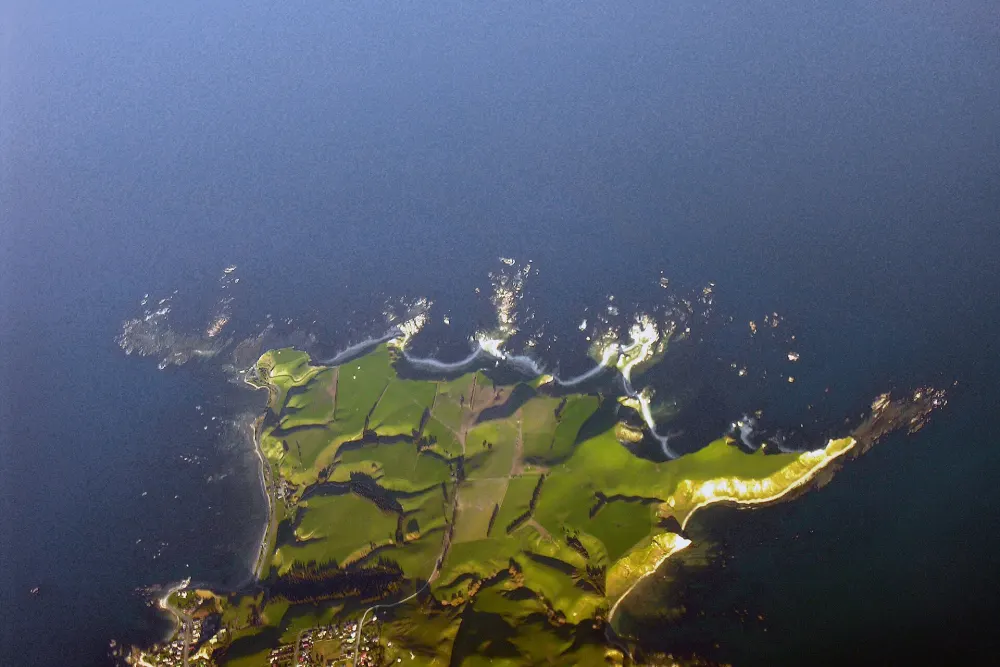
- People have lived on the Kaikōura Peninsula for more than 800 years; at least fourteen pā sites have been recorded on it.
- Ngāti Kurī of Ngāi Tahu took the great pā of Takahanga under the chief Maru Kaitātea; their marae stands on the site today.
- Robert Fyffe founded the Waiopuka whaling station in 1842; Fyffe House, on whale-vertebra foundations, is the town’s oldest building.
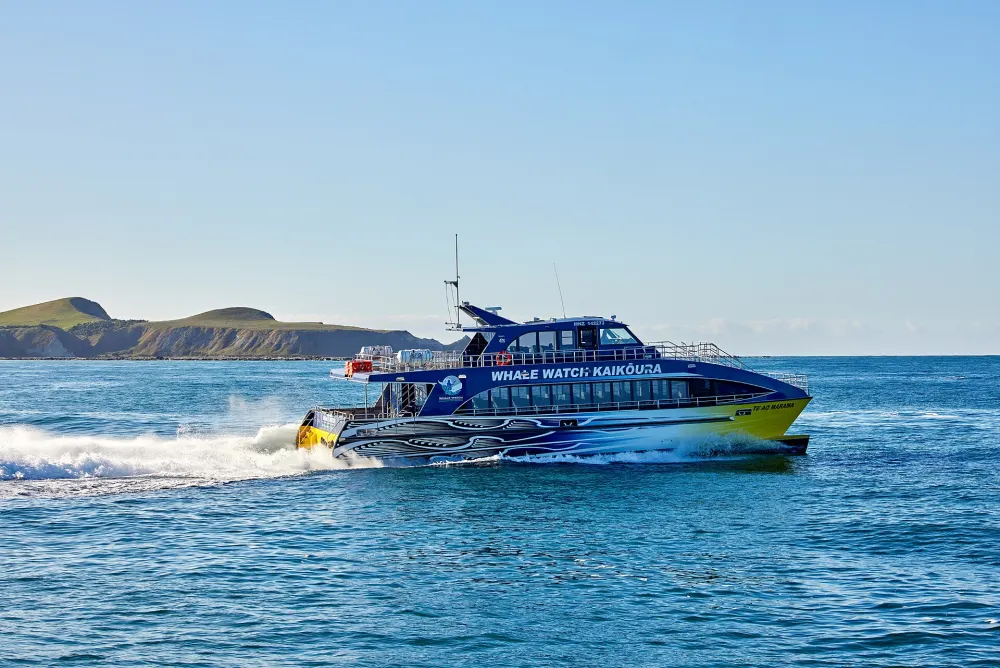
- In 1987 Ngāti Kurī families founded Whale Watch Kaikoura, turning the town from whaling to whale watching.
- On 14 November 2016 a magnitude 7.8 earthquake ruptured more than 20 faults, lifted the coast by up to several metres and cut the town off; road and rail reopened in 2017–18.
Timeline
- Tradition
Māui’s canoe seat
The peninsula is Te Taumanu o te Waka a Māui, where Māui braced himself to fish up the North Island. Later Tama ki te Rangi feasts on crayfish here – giving the name Te Ahi Kaikōura a Tama ki te Rangi.
- c. 1200s–1400s
Moa hunters
Early Polynesian settlers hunt moa and shelter in coastal caves. A moa-hunter burial excavated near Fyffe House in 1857 contained the largest complete moa egg ever found.
- 1600s–1700s
Waitaha, Kāti Māmoe, Ngāi Tahu
Successive peoples settle the coast. Ngāti Kurī of Ngāi Tahu, led by Maru Kaitātea, take the fortified pā of Takahanga.
- 1770
Cook passes by
James Cook’s Endeavour sails past the Kaikōura coast in February 1770 without landing.
- 1842–43
Whaling station
Robert Fyffe founds the Waiopuka shore whaling station on the peninsula; other stations follow at South Bay.
- Mid-1840s
Fyffe House
The oldest wing of Fyffe House is built for the station’s cooper on piles of whale vertebrae; the Fyffe family later enlarges it.
- 1850s–60s
Whales decline, farms grow
Whale numbers fall and shore whaling becomes uneconomic; the land is converted to sheep runs and the township grows.
- 1880s
Port and pub
The wharf serves coastal shipping; the Pier Hotel is built around 1885 for sailors, whalers and fishermen.
- 1931
Port closes
Shipping declines and the port closes; only the old customhouse chimney survives near Fyffe House.
- 1945
Railway opens
The Main North Line between Christchurch and Picton is completed, with 21 tunnels; it is officially opened at Kaikōura in December 1945.
- 1980s
Hard times
Railway restructuring and recession cost jobs; the town’s economy stalls.
- 1987
Whale Watch Kaikoura
Ngāti Kurī families mortgage their homes to start whale-watching trips – the beginning of Kaikōura’s nature-tourism economy.
- 1992
Maru Kaitātea opens
The wharenui at Takahanga Marae is opened.
- 2014
Marine protection
The Kaikōura (Te Tai o Marokura) Marine Management Act creates the Hikurangi Marine Reserve and marine mammal sanctuary.
- 14 Nov 2016
The Kaikōura earthquake
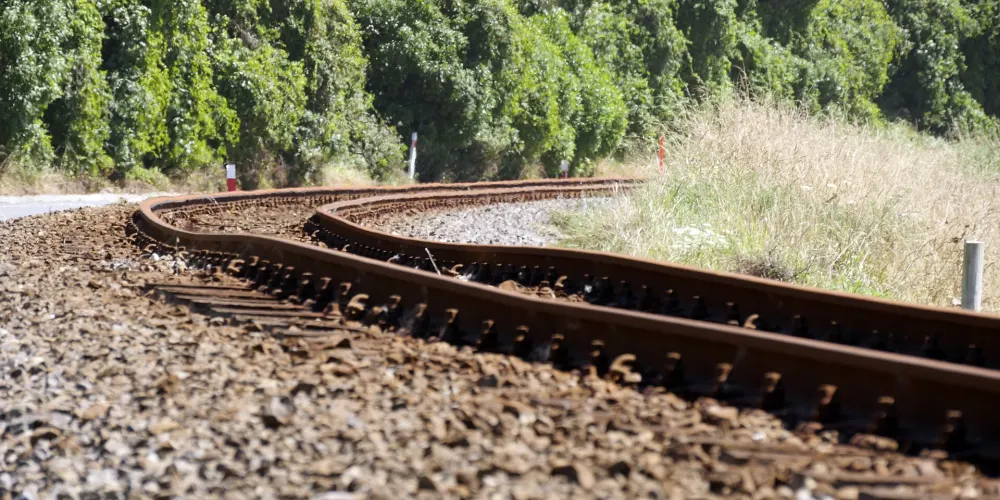
A magnitude 7.8 earthquake at 12:02 AM ruptures more than 20 faults; the coast rises, landslides cut SH1 and the railway.
- Dec 2017
Road reopens
SH1 north and south of Kaikōura reopens on 15 December 2017 after a massive rebuild.
- Dec 2018
Train returns
The Coastal Pacific passenger train resumes on 1 December 2018.
- Sep 2024
Dark Sky Sanctuary
About 98% of the district is designated an International Dark Sky Sanctuary.
- Jul 2026
Flood emergency
The Kōwhai River breaks its banks; a state of emergency is declared and SH1 south of town closes until 15 July.
Māori Kaikōura: Ngāti Kurī and the pā of the peninsula
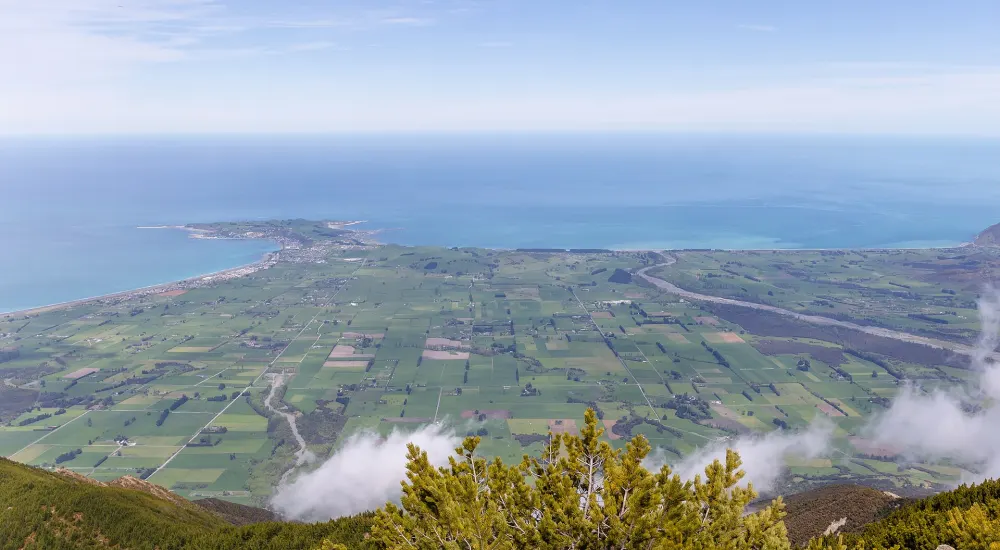
In Māori tradition the peninsula is the seat of Māui’s canoe, and the coast takes its name from the crayfish feast of the ancestor Tama ki te Rangi (Te Ara’s older sources name the explorer Tamatea-pōkaiwhenua – see about Kaikōura). Archaeology confirms a human presence of more than 800 years: the first arrivals hunted moa, seals and seabirds, and as the moa disappeared, settlements became more permanent, with gardens and fortified villages. DOC records at least fourteen pā sites on the peninsula; most were occupied only for short periods, and some saw fierce battles.
Waitaha and then Kāti Māmoe held the coast before Ngāti Kurī, a hapū of Ngāi Tahu, moved south. Under the chief Maru Kaitātea they took the great pā of Takahanga, which became a staging post for Ngāi Tahu migrations further south. Takahanga is still the marae of Ngāti Kurī; its meeting house, named Maru Kaitātea, opened in 1992, and a whare taonga (treasure house) followed in 2022. The documentary The Bones of Our Past (2025) tells how the marae came to stand again on its ancestral site.
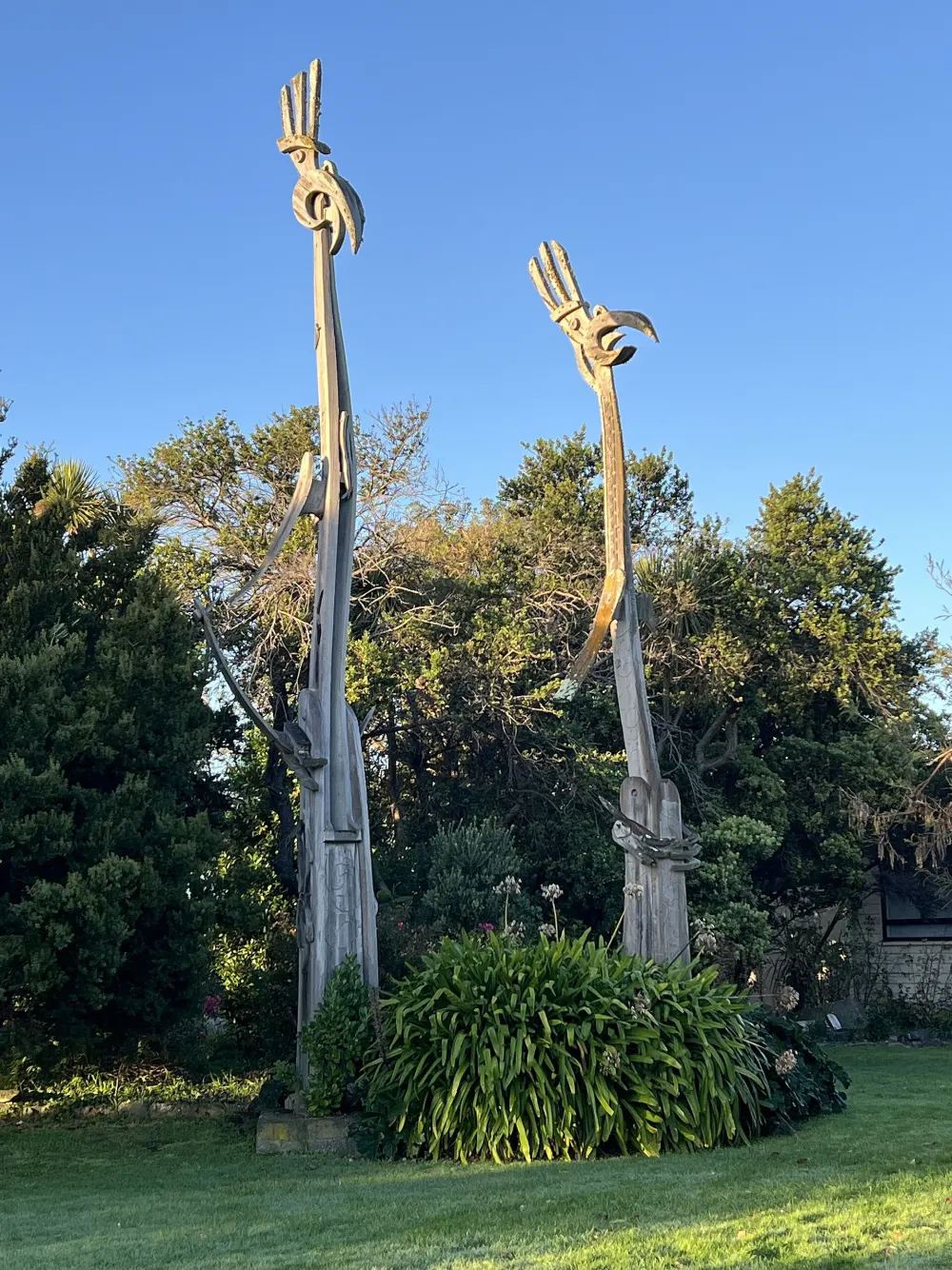
For Ngāti Kurī, whales are ancestors and guardians: the tradition of Paikea, who rode a whale to Aotearoa, is carved at Takahanga. That relationship underlies the iwi’s leadership in whale conservation and tourism today.
The whaling era (1840s–1920s)
Kaikōura’s deep water close to shore, which brings whales to the town today, made it a magnet for shore whalers in the 1840s. Robert Fyffe set up the Waiopuka station on the peninsula in 1842 (DOC gives 1843), and other stations soon followed at South Bay; in 1845 Fyffe bought a second station at South Bay, which became the commercial centre of the settlement. Crews of Māori and European whalers rowed out in open boats to harpoon southern right and humpback whales, towing the carcasses back to try-works on the beach where blubber was boiled into oil.
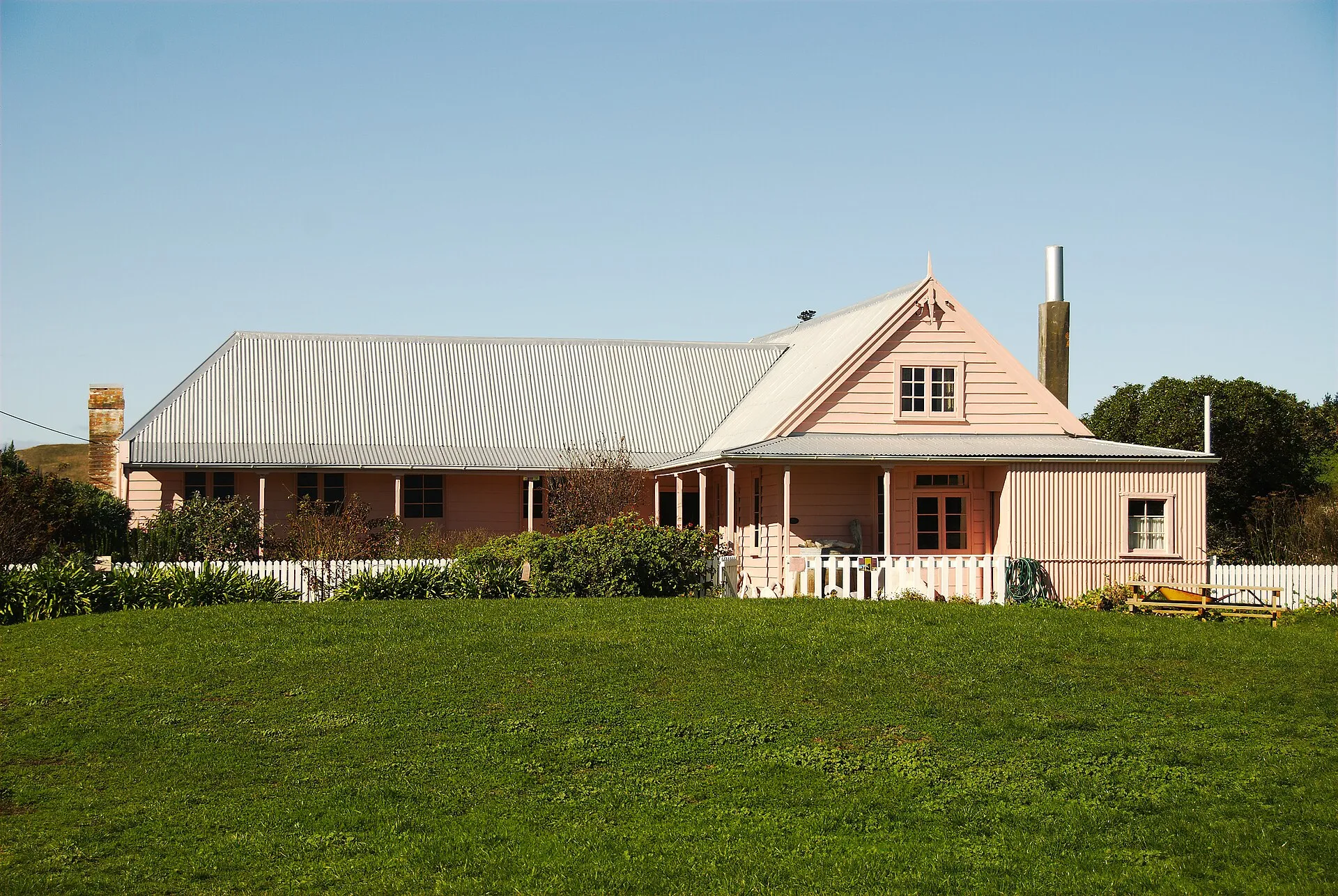
The industry was short-lived. After about 1850 whale numbers fell steadily and shore whaling became uneconomic; the stations turned to farming, though intermittent whaling continued at Kaikōura into the early 20th century (Wikipedia, citing local histories, gives 1922 as the end). The great survivor of that era is Fyffe House – Kaikōura’s oldest building, its earliest wing built in the mid-1840s for the station cooper, Thomas Howell, and resting on piles of whale vertebrae. Now cared for by Heritage New Zealand, it is open to visitors (attractions).
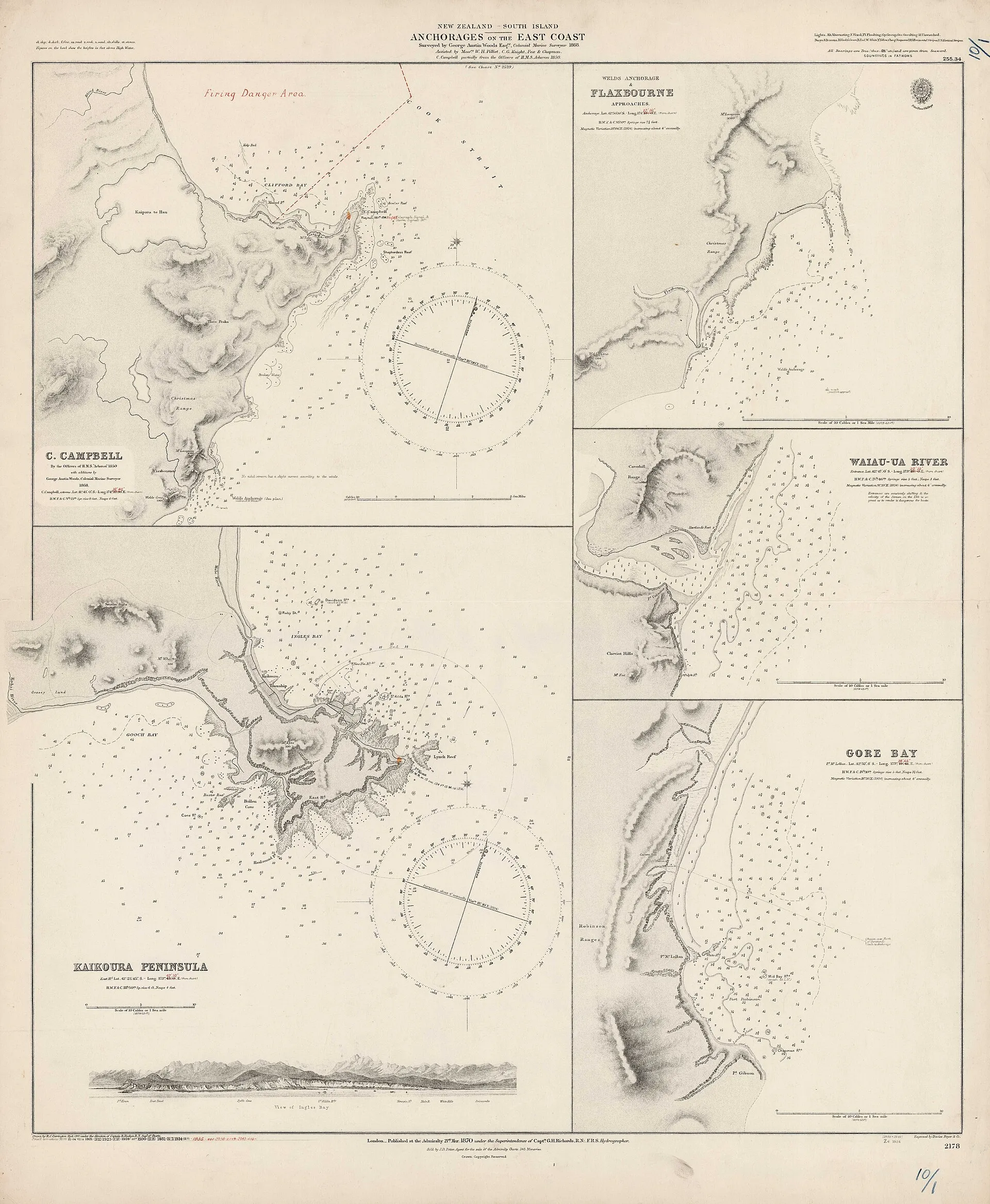
British Admiralty chart of anchorages on the east coast of the South Island, published 1870 – including Kaikōura’s whaling anchorages.
Farming, the port and the railway
From the 1850s the plains below the Seaward Kaikōura Range were taken up as sheep and cattle runs, and the township grew around the bay. Coastal ships called at the wharf – the Pier Hotel, built around 1885 for their crews, still stands – but with no rail or good road, Kaikōura remained remote. The port closed in 1931.
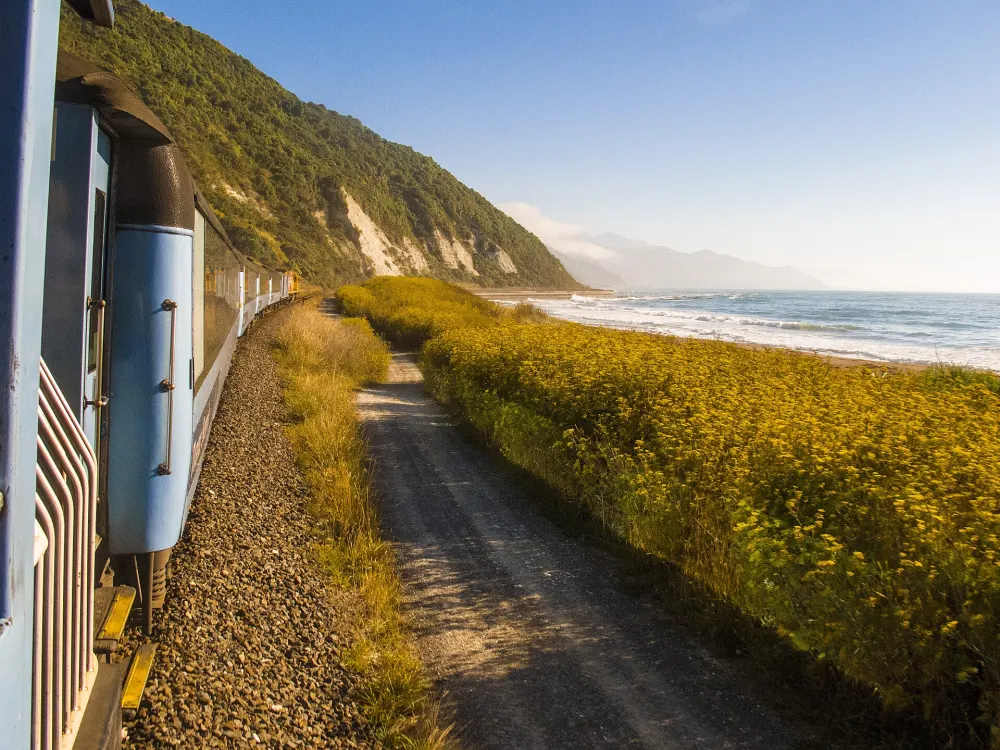
The last section of the Main North Line railway between Picton and Christchurch was completed in 1945, with tunnels and viaducts cut through the coastal bluffs, and it was formally opened at Kaikōura in December that year before a crowd of thousands. Road and rail made fishing (especially for crayfish) and farming viable, but in the 1980s restructuring of the railways and recession hit the small town hard.
From whaling to whale watching
In 1987 a group of Ngāti Kurī families – inspired by leaders such as Bill Solomon, who saw that the sperm whales offshore could bring jobs to a community hit by unemployment – mortgaged their homes to set up what became Whale Watch Kaikoura. The first trips ran in a 6.7-metre inflatable boat carrying eight passengers. Sperm whales feeding over the canyon could be found reliably with a hydrophone, and the business grew into one of New Zealand’s best-known indigenous tourism companies and the town’s largest employer. Dolphin swims, seal kayaks, albatross tours and whale flights followed; today tourism is close to 40% of the district’s economy.
Marine protection followed the wildlife: the Kaikōura (Te Tai o Marokura) Marine Management Act 2014, born of a community forum called Te Korowai o Te Tai ō Marokura, created the Hikurangi Marine Reserve, a whale sanctuary and fur seal sanctuary, and customary fishing areas. Read more on our whale-watch cruise page.
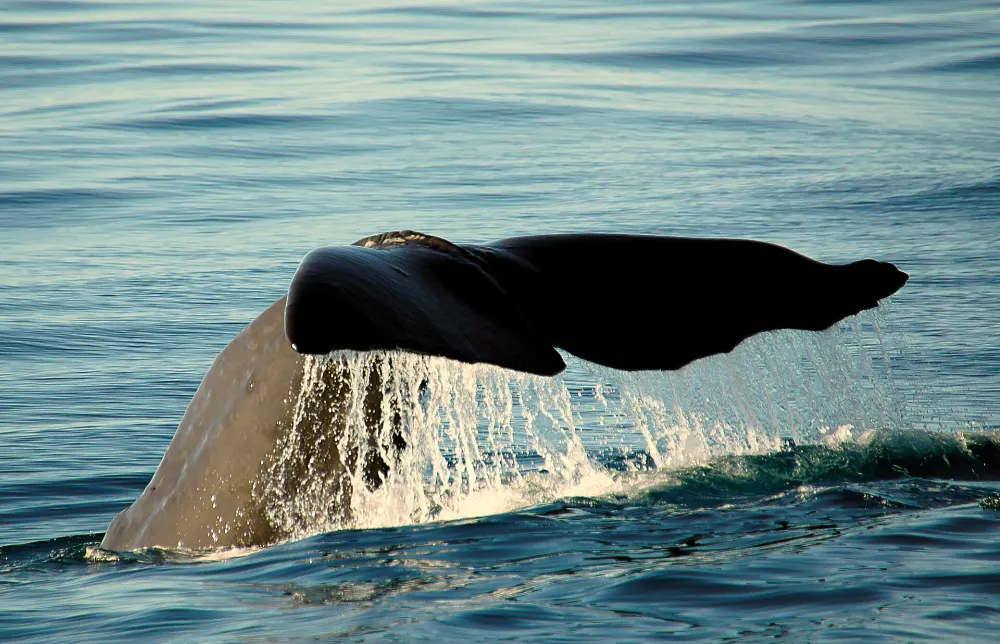
Whale Watching Cruise with Whale Watch Kaikoura
The classic Kaikōura whale encounter on a modern catamaran with the Ngāti Kurī-owned original operator: sperm whales year-round, often dusky dolphins, seals and albatross. 80% refund from the operator if no whale is seen. Rated 4.6/5 from 3,939 reviews on GetYourGuide (as of November 2026).
Check availabilityBook via GetYourGuideTour listings are on GetYourGuide. Prices, times and cancellation terms are shown live on each listing and can change; Kaikoura.com may earn a commission at no extra cost to you.
The 2016 Kaikōura earthquake
At 12:02 AM on Monday 14 November 2016, a magnitude 7.8 earthquake began near Waiau in North Canterbury and unzipped northward for nearly two minutes. GeoNet describes it as one of the most complex earthquakes ever recorded: more than 20 faults ruptured. Two people died, buildings were damaged across the district and the town was cut off.
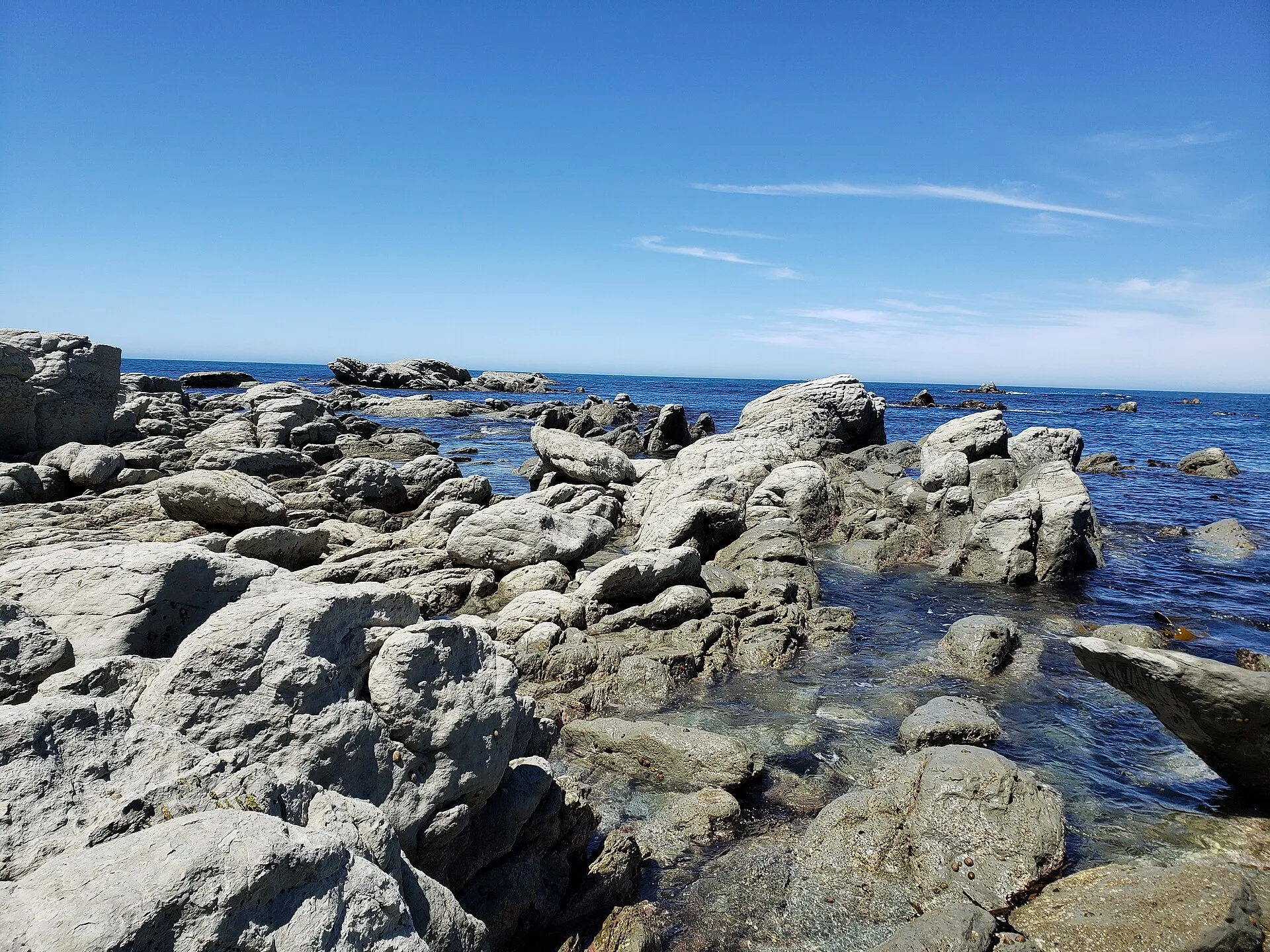
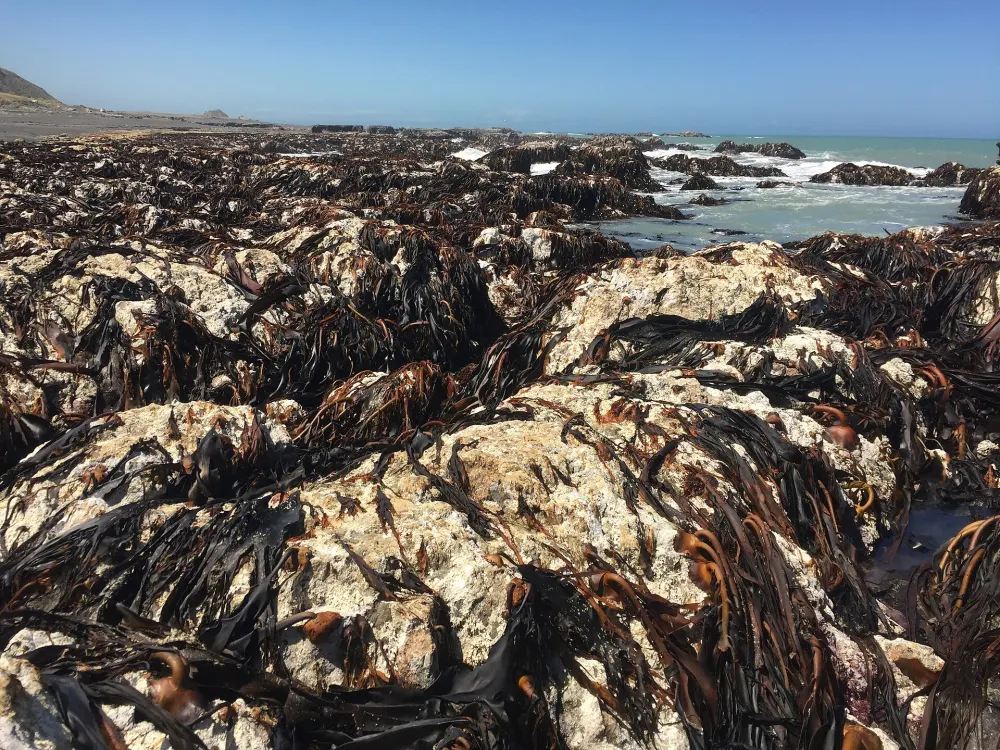
- Uplift: the coast rose along about 110 km from Oaro to Lake Grassmere – by between 0.5 and 2 m along much of the Kaikōura coast and, locally, more than 6 m. New rock platforms, bleached kelp beds and stranded paua appeared overnight; the South Bay harbour had to be deepened so boats could get in and out.
- Landslides: more than 10,000 in North Canterbury and Marlborough. Huge slips closed SH1 and the railway north and south of town, including at Ōhau Point, burying part of the seal colony.
- Tsunami: the first wave arrived within ten minutes, with a run-up of 6.9 m at Goose Bay, but did little damage because the tide was low and the coast had just been lifted.
- The canyon: an estimated 850 million tonnes of sediment slid into the Kaikōura Canyon, generating a turbidity current that swept more than 600 km down the Hikurangi Channel.
Rebuilding (2016–2018) and after
For weeks Kaikōura could be reached only by sea, air or a restricted inland road; the inland route via Waiau reopened to the public in December 2016. The North Canterbury Transport Infrastructure Recovery (NCTIR) alliance then rebuilt the coastal corridor: SH1 reopened on 15 December 2017 (initially with night closures, open 24/7 from late April 2018), the Coastal Pacific train returned on 1 December 2018, and the harbour was deepened. New rock fall shelters, sea walls and viewpoints – including the Ōhau Point lookout (reopened October 2018) – came out of the rebuild.
Tourism recovered strongly: Destination Kaikōura described the 2025–26 summer as the busiest since before the earthquake, with a refurbished visitor centre on West End. In July 2026, a different hazard struck: torrential rain sent the Kōwhai River and Conway River over their banks, a state of emergency was declared and SH1 south of town was closed for about a week while washed-out sections were rebuilt. As of November 2026 work on the Conway River section continues – see getting there.
The earthquake’s marks are part of the visit now: look for the raised, white rock platforms around the peninsula, and see the New Normal exhibition at the Kaikōura Museum.
Frequently asked questions
Who were the first people in Kaikōura?
Polynesian ancestors of Māori, who hunted moa on the coast more than 800 years ago. Waitaha, Kāti Māmoe and then Ngāti Kurī of Ngāi Tahu held the area; Ngāti Kurī are mana whenua today.
When did whaling start in Kaikōura?
Robert Fyffe founded the Waiopuka shore whaling station in 1842 (some sources say 1843). Fyffe House, built in the mid-1840s, survives from that station.
How big was the Kaikōura earthquake?
Magnitude 7.8, on 14 November 2016 at 12:02 AM. More than 20 faults ruptured and the coast was uplifted by up to several metres.
How long was Kaikōura cut off after the earthquake?
The inland road reopened to the public in December 2016; the coastal SH1 reopened on 15 December 2017 and the Coastal Pacific train on 1 December 2018.
When did whale watching start in Kaikōura?
In 1987, when Ngāti Kurī families founded what became Whale Watch Kaikoura.
Sources and official information
Facts were checked against these official sources in November 2026. Opening hours, prices and timetables change, so confirm before you go.
- doc.govt.nz
- heritage.org.nz
- ngaitahu.iwi.nz
- ngaitahu.iwi.nz
- rnz.co.nz
- geonet.org.nz
- earthobservatory.nasa.gov
- nzta.govt.nz
- whalewatch.co.nz
- rnz.co.nz
- 1news.co.nz
Kaikoura.com is an independent guide, not the official site of any tour operator or of the Kaikōura District Council. Some links are affiliate links: tours go to GetYourGuide and hotels go to Booking.com, and we may earn a commission at no extra cost to you.